science.am

Main navigation

  • text
  • lab
  • About

Science.text

SCIENCE.TEXT contains writing on science, art and other influences that led to this part of my practice. Its an area to talk about critical concerns of specific projects as well as writing about more wide ranging topics.

creativity in multiple disciplines

text |
November 29th, 2018

Based in the arena of looking at creativity in multiple disciplines, this project is an exercise in generating questions, or creating branches.

There’s a greater area of investigation thats impossible to see at present. It feels like i’m at a seed stage currently, though it is one i’ve been undertaking tacitly for many years already. Each new question is like a branch or a root growing. They are not independent, each new growth is necessary to understand the whole.

This project is about feeding that growth, a reliance on a single branch being the solution, is contrary to…

Proposition 3

text |
November 28th, 2018

The methods of the art/designer/scientist are much more interesting than the outcomes.

The process by which we define a person has huge consequences on that person and what they should and can do.

The methods of cognition and creativity between fields relate more strongly to core human abilities and concerns. The kind of outcome is secondary. 

A university education pays undue significance on the kind of outcome they should be producing and place that ahead of the kind of thinking/doing they should be doing.

Proposition 2

text |
November 28th, 2018

How does the scientist move in the direction of an artist

How does the artist move in the direction of a scientist.


In working with scientists there are so many moments where I saw them working creatively in a very similar manner to an artist. The laboratory of an experimental physicist is so similar to the studio of a sculptor, the difference is only in the level of cleanliness and expense of materials.

In my own work i'm very influenced (as most modern artists are) by the work of Dada and Duchamp, the eschewing of abstraction for sake of expression and…

criticisms of speculative design type discussions

text |
November 26th, 2018

The notion of defining an area of design is ultimately unhelpful. In doing so however one achieves useful purposes.

For a student of design these new definitions, such as speculative design give validation to work that they thought wasn’t viable. Students are scared to leave the confines of their own field, these fields are defined for them by their degrees. 

Graphic design is normally commercial in nature, or if not directly commercial, it uses the methods, outputs and tools of its commercial cousin. There’s no reason for this to be true, but history, industry and…
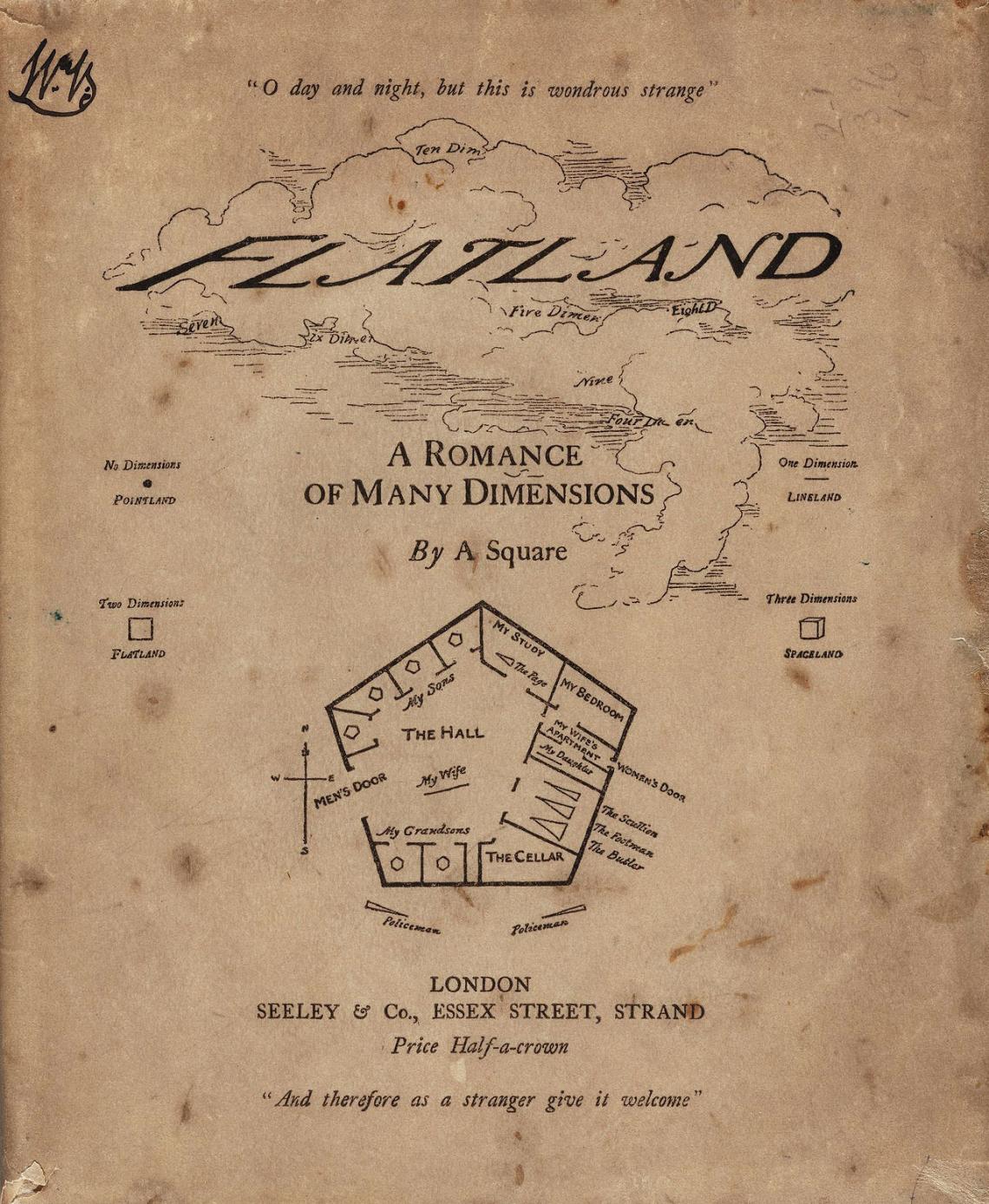
Influences Naim June Paik, Chris Burden, Edwin Abbott

text |
November 26th, 2018

Naim June Paik: Nixon
Chris Burden: The Speed of Light Machine
Edwin Abbott: Flatland

These 3 works show ideas and creativity fluidly moving between realms of culture and science. They are by no means more important than many other examples. But I find all quite compelling at this moment in time.

Naim June Paik's piece Nixon uses something technologically complex, though simple in principle to alert us to underlying social and political issues. Chris Burden simply recreates a scientific apparatus, in doing so demonstrates one of the most beautifully simple, yet…

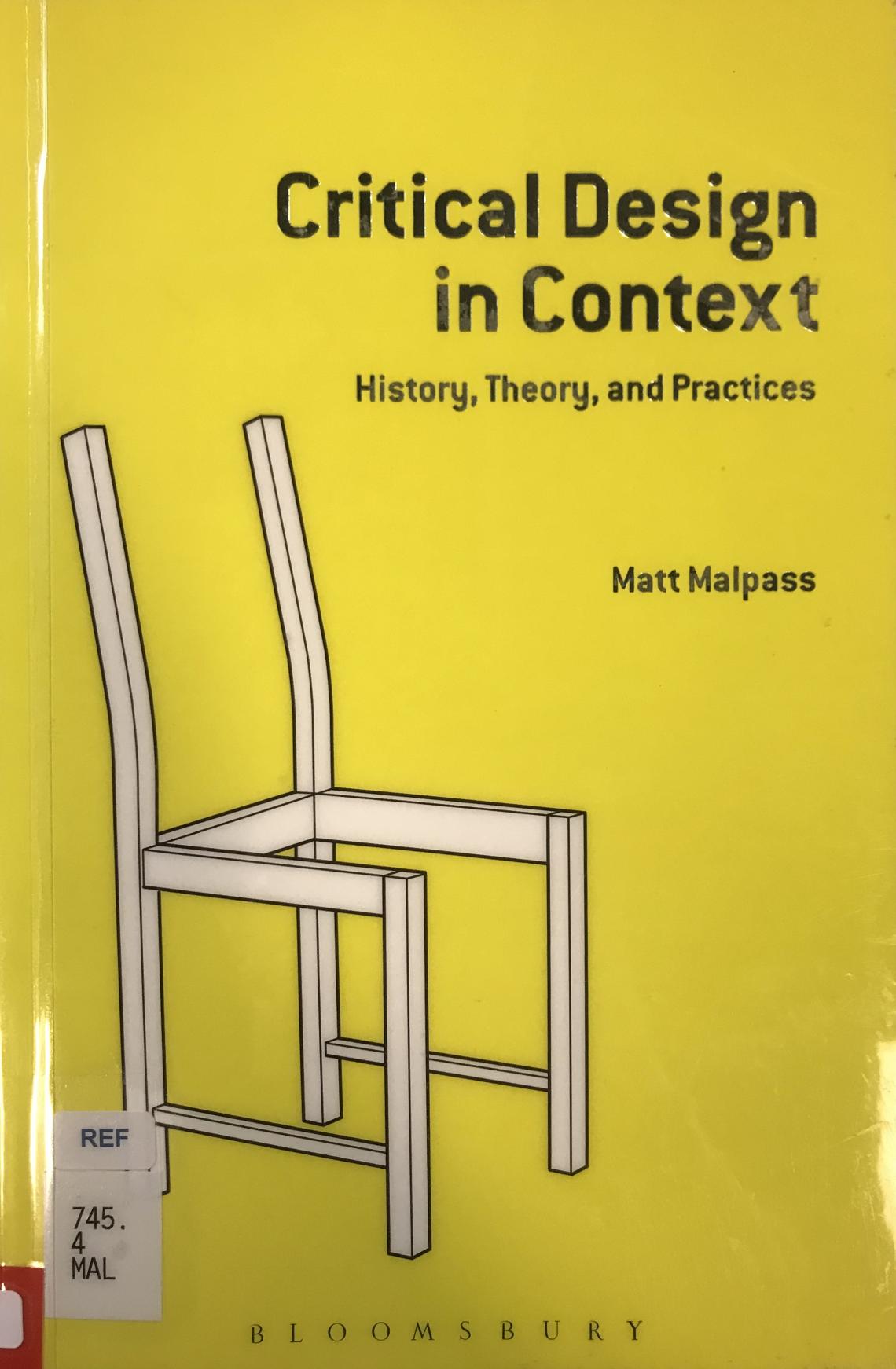
Critical Design in Context - Matt Malpass

text |
November 21st, 2018

Critical design practice - quotes from the book

“In critical design practice, designers reject a role for industrial design that is limited to the production of objects conceived solely for fiscal gain and technological development. It seeks to avoid conventional production and consumption, offering an alternative use of industrial design. instead, they propose that product and industrial design can be used to mobilise debate and inquire into matters of concern through the creative processes involved when designing objects. They propose that the forms of interaction that occur…

Dunne and Raby. Speculative Everything. A/B

text |
November 15th, 2018

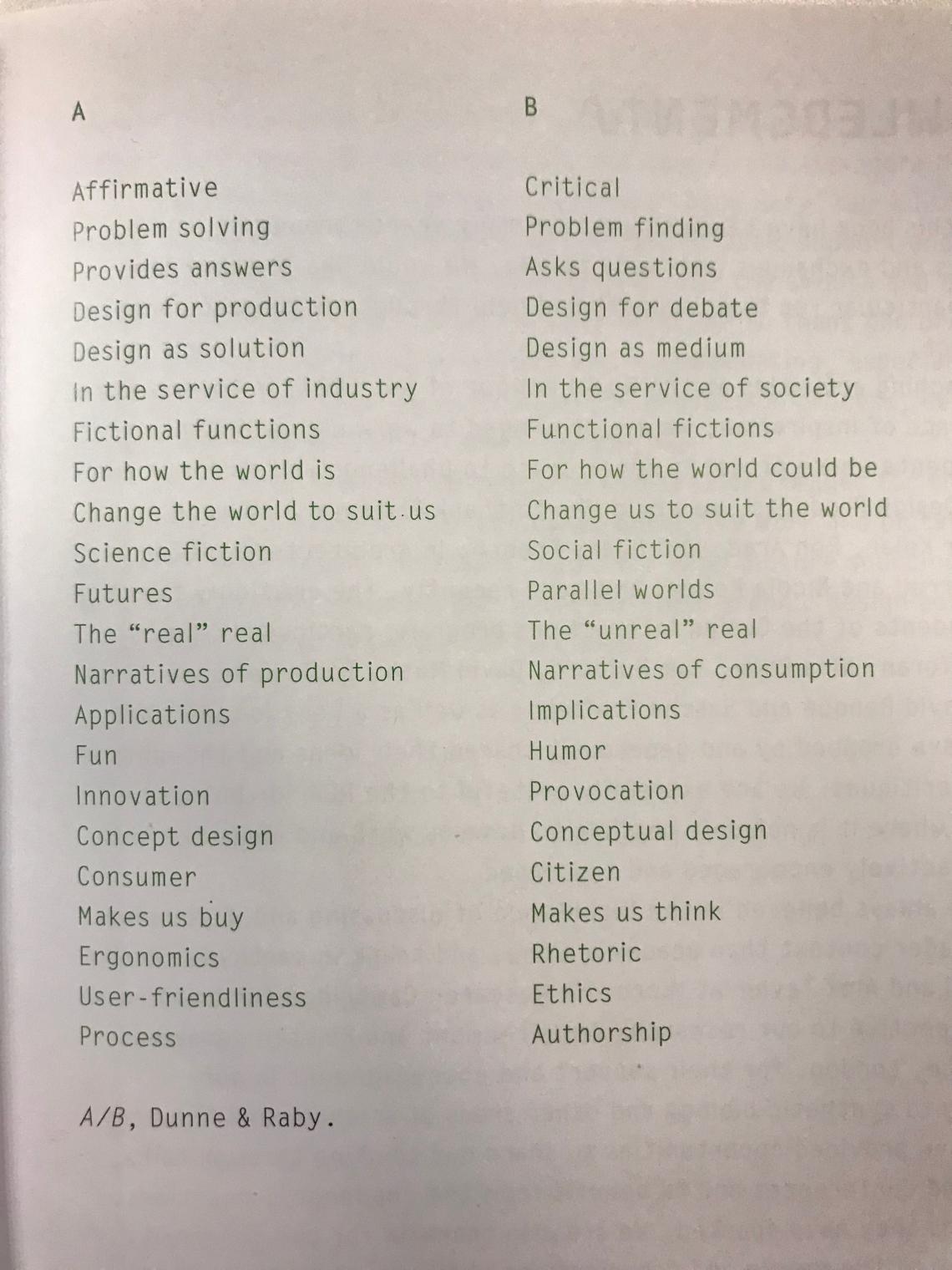
Dunne and Raby's A/B list shows:

"Design as it is usually understood" / "Kind of design that one finds oneself doing"

B is not intended to replace A, it simply adds another dimension.


Dune and Raby's book Speculative Everything is very interesting. I find it full of fascinating work and observations, but its also not something aimed squarely at me. It is full of ideas that are useful for design students of one kind or another, or people who are/were educated that creative output needs to look, or act in a certain way. This book gives lots of alternatives.…

Readings ranging from Richard Dawkins, Oliver Sacks, Carlo Rovelli

text |
November 12th, 2018

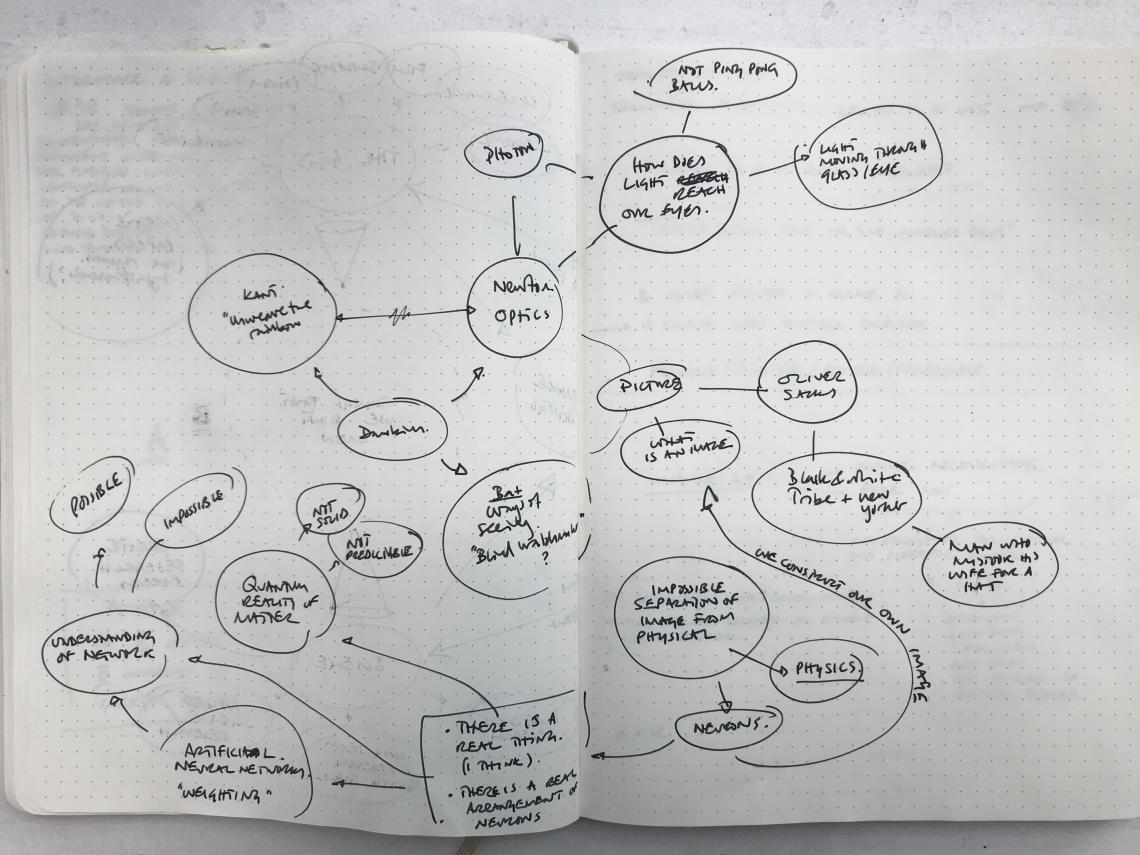
These texts influenced the diagram:

Quantum Gravity, Carlo Rovelli
The Blind Watchmaker and Unweaving the Rainbow, Richard Dawkins
The Island of the Colour-Blind, Oliver Sacks
plus a lot of online articles on artificial intelligence

A recent art/design work has been centred on artificial intelligence (Of machines learning to see lemon). I've been very interested in looking at how real and artificial neurons function. Oliver sacks talks at length about how the brain works, often by using examples and patients who've non-normal functions.

Dawkins…

Proposition 1

text |
November 10th, 2018
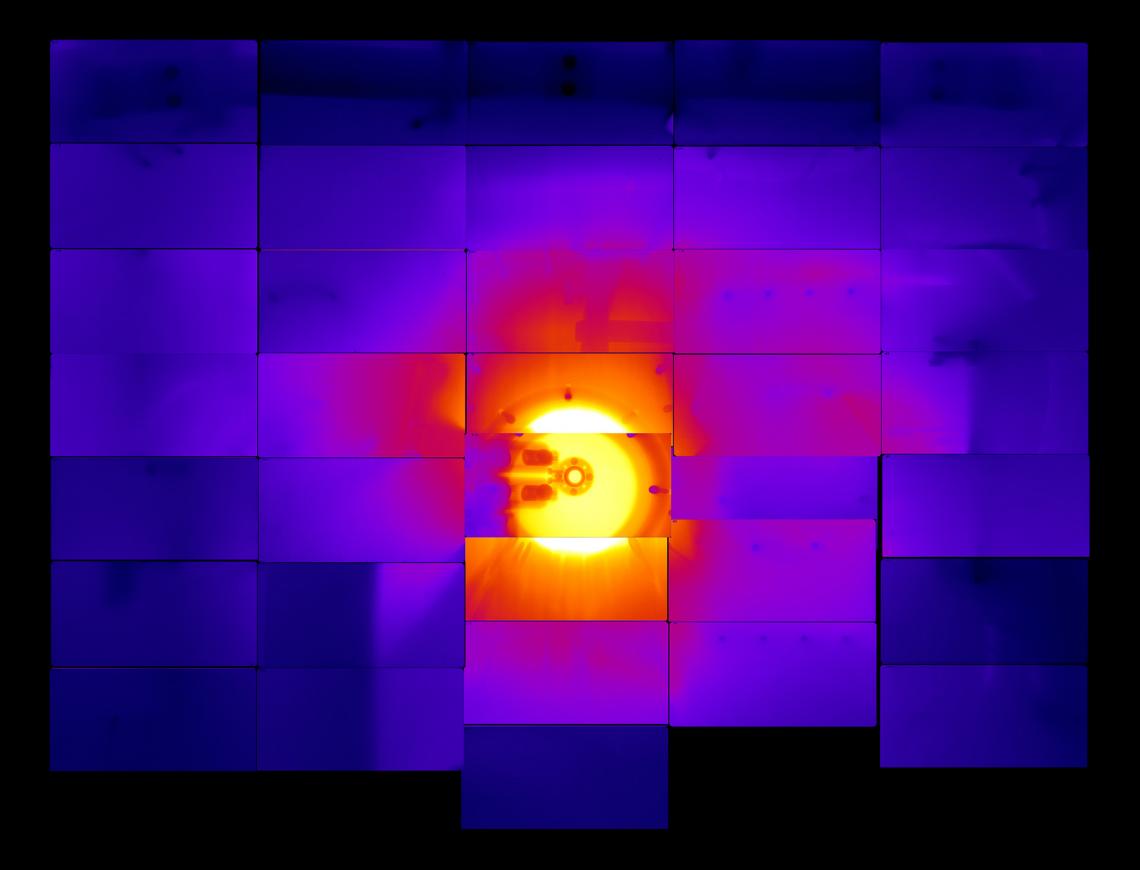
What if we could look at the sun with x-ray vision

The goal was always to confound certain opinions. To create something that was at once a piece of art and science simultaneously. 

Focus on the object, not the background, the rest follows.


The object in question is the artwork What if we could look at the sun with x-ray vision. This is the result of a project that began in 2014. The ABOUT page gives a background on the project.

In order to investigate my practice and academic relationship to this work i've started to put forward different propositions. This first proposition suggests that the object can…

Things that we know

text |
November 8th, 2018

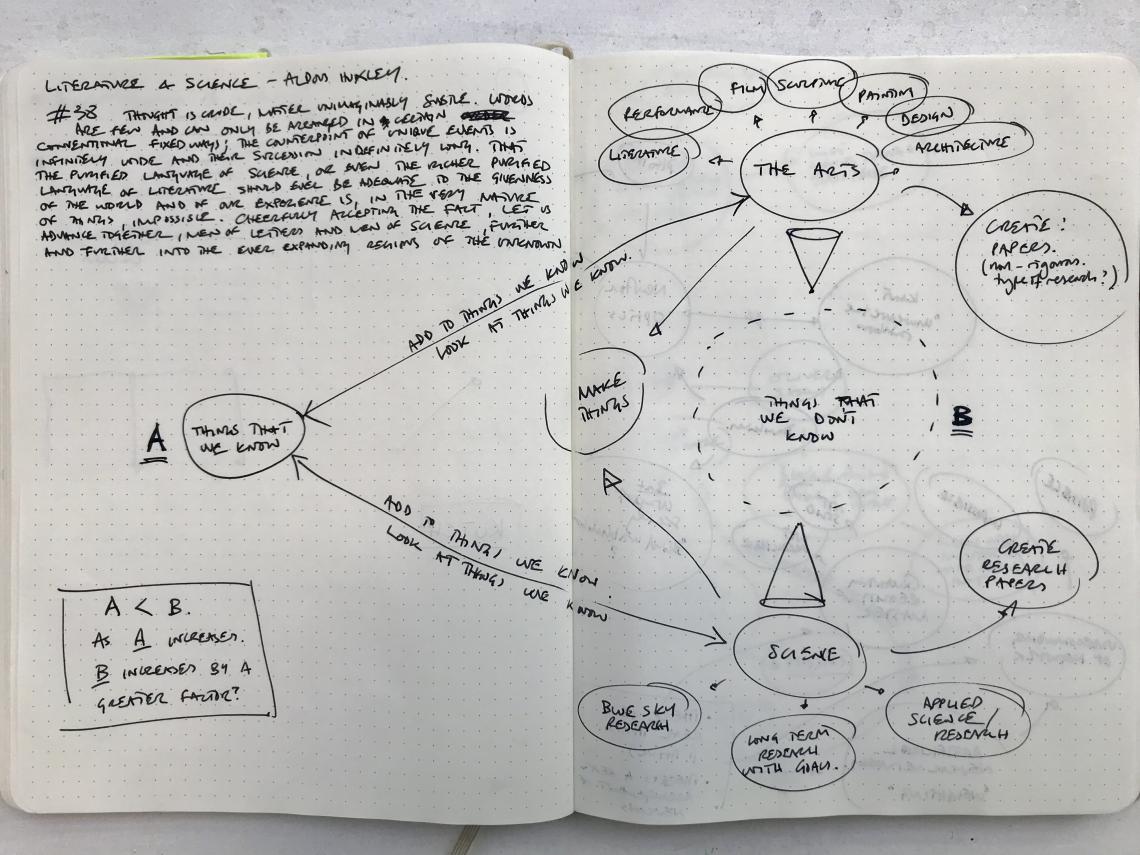
Literature and Science by Huxley (also discussed here) touches on things that we know, and things that we can't. I wanted to expand this into a diagram. 

Both the arts and sciences look at things that we don't know both make things, both try to then add to the things that we know.

As each discovery, invention, creation tends to bring up new questions I propose a formula...

IF:

A = Things that we know

B = Things that we don't know

THEN:

A<B
As A increases B increases by a greater factor.

Science . Alistair McClymont

An ongoing record of art / science research by Alistair McClymont