science.am

Main navigation

  • text
  • lab
  • About

SCIENCE.AM is a project by Alistair McClymont to document ongoing research into art and science. To investigate the similarity between scientists and artists. The hypothesis is that both ultimately search for truth and both see beauty in that truth.

The SCIENCE.AM website is a project to document ongoing research into art and science. This is a full collection of posts related to these projects.

SCIENCE.TEXT contains writing on science, art and other influences.

SCIENCE.LAB is a place where experiments, tests, records of activity are recorded.

find out more about this project and Alistair McClymont and SCIENCE.AM on the ABOUT page

A presentation on this project

text |
January 11th, 2019

The presentation for the Self-Initiated Project - What if we could look at the Sun with x-ray vision:

http://bit.ly/mcclymont-sip-presentation


Best viewed via the link, there is also a pdf download.

A new project

text |
January 10th, 2019

I've began new discussions with physicists from the Central Laser Facility around working on another project with them, we are both interested in the creative possibilities of working together. This new project will be around creating a device that can see x-rays or neutrons. The really exciting aspect of this project is that we will be making devices to see the world in a different way, in this way the project cuts to the core of the foundation of art and science.

I'm excited to be working on something that lets you see the world in a different way, its a…

Research paper

lab | text |
January 6th, 2019

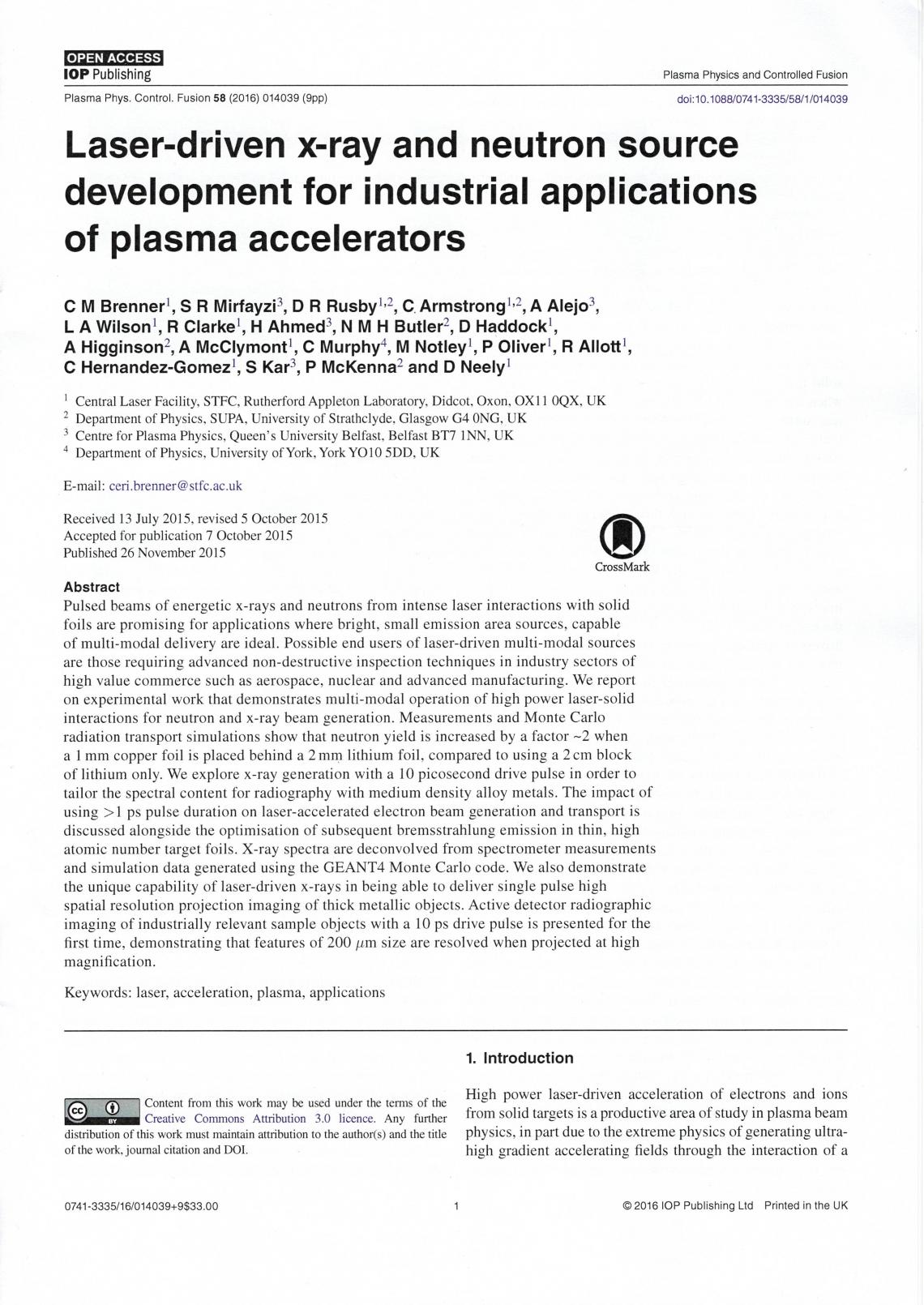
A paper was published in the Institute of Physics journal, Plasma and Controlled Fusion titled Laser-driven x-ray and neutron source development for industrial applications of plasma accelerators. In this paper I am named as one of the authors:

Click here to see the research paper

A hard copy of the research paper was shown as part of the installation What if we could look at the Sun with x-ray vision at the London Design Festival in 2018. In this exhibition it becomes a conceptual piece, at once a piece of science and a piece of art.

My earliest ambitions with this…
Everything we are capable of seeing

lab | text |
January 2nd, 2019

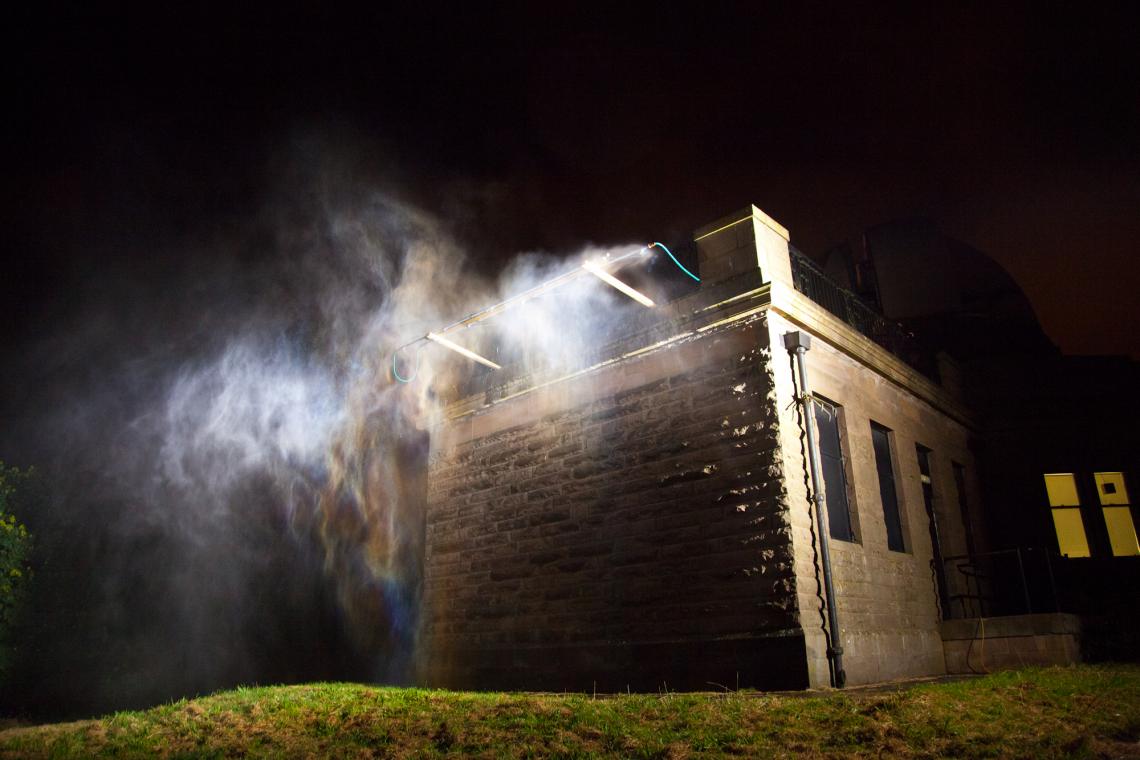
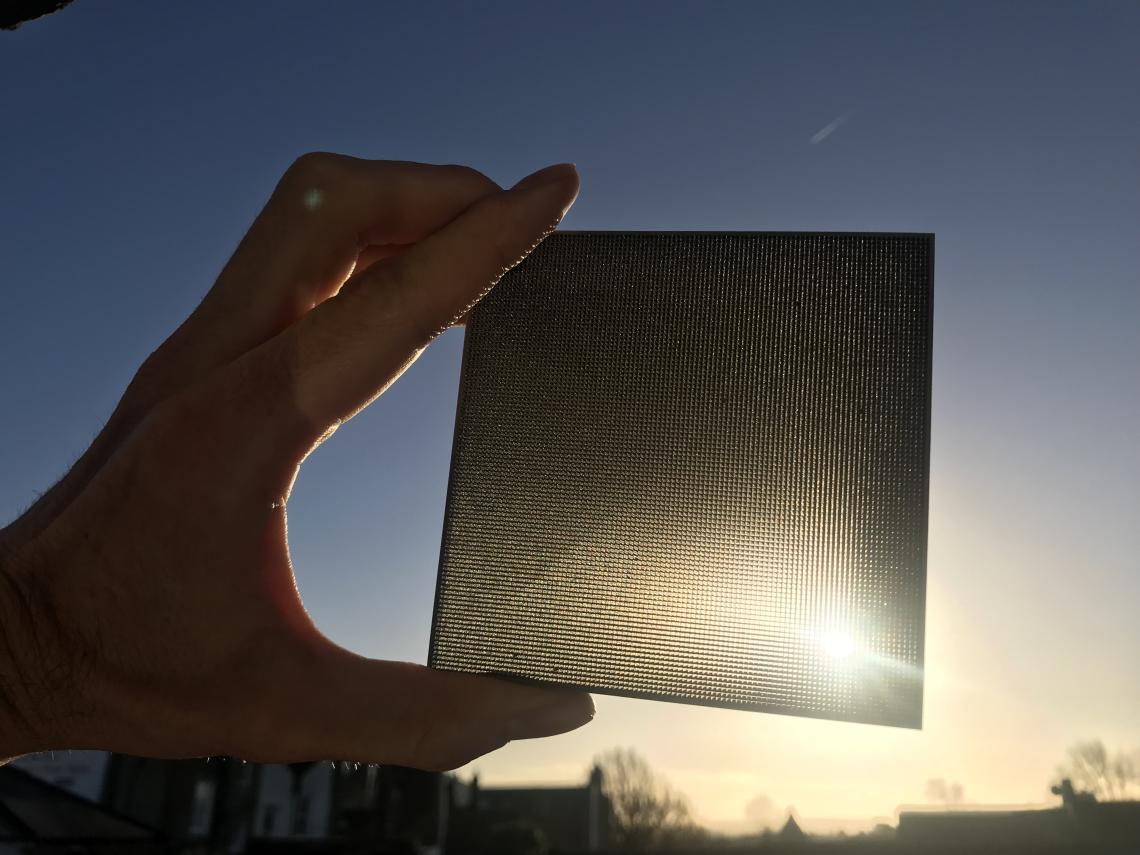
Everything we are capable of seeing is an artwork that creates a rainbow. It is formed from a sprinkler system of water vapour and a light. 

My interest in the rainbow was prompted by an observation Richard Dawkins makes in his 1998 book Unweaving the Rainbow. In it he talks of how Keats accuses Newton (and science) of destroying the poetry of the rainbow by explaining the origin of its colours. Keats poem Lamia talks of how “Philosophy will clip an Angel’s wings” and that it will "Unweave a rainbow, as it erewhile made”.

In recreating a rainbow in the…

Fields of practice Matt Malpass, Bruce and Stephanie Tharp

text |
December 29th, 2018

Both Mat Malpass and Bruce and Stephanie Tharp have tackled fields of practice in design. Theirs are fascinating efforts to delineate areas of practice. They both open up the field of design to conceptual and critical realms and also might become problematic as they continue to suggest boundaries of practice.

On the whole I think this kind of endeavour is essential to design practice to augment the production of critical and conceptual work. For design to exist beyond commercialism it needs encouragement and communities of practice to exist beyond.

Its interesting that both…

Frayling, Research in art and design

text |
December 24th, 2018
Frayling
Document
frayling.pdf3.34 MB

The question i’m searching for relates to that which is similar in art and science. What are artists and scientists doing, how are they the same, or different. Perhaps this relates to research, the definition of research. 

Fraying (1993) investigates just this and begins with a definition of research. ‘the act of searching, closely or carefully. for or after a specified thing or person’ - used of royal genealogy in 1577. It has been used with a little r for hundreds of years to describe art practice in therms of searching, personal quests, clues and decoding.

Research with…

What if we could look at the sun with x-ray vision (contact x-ray plates on the Vulcan Target Area West vacuum chamber, 36 separate shots)

lab | text |
December 15th, 2018
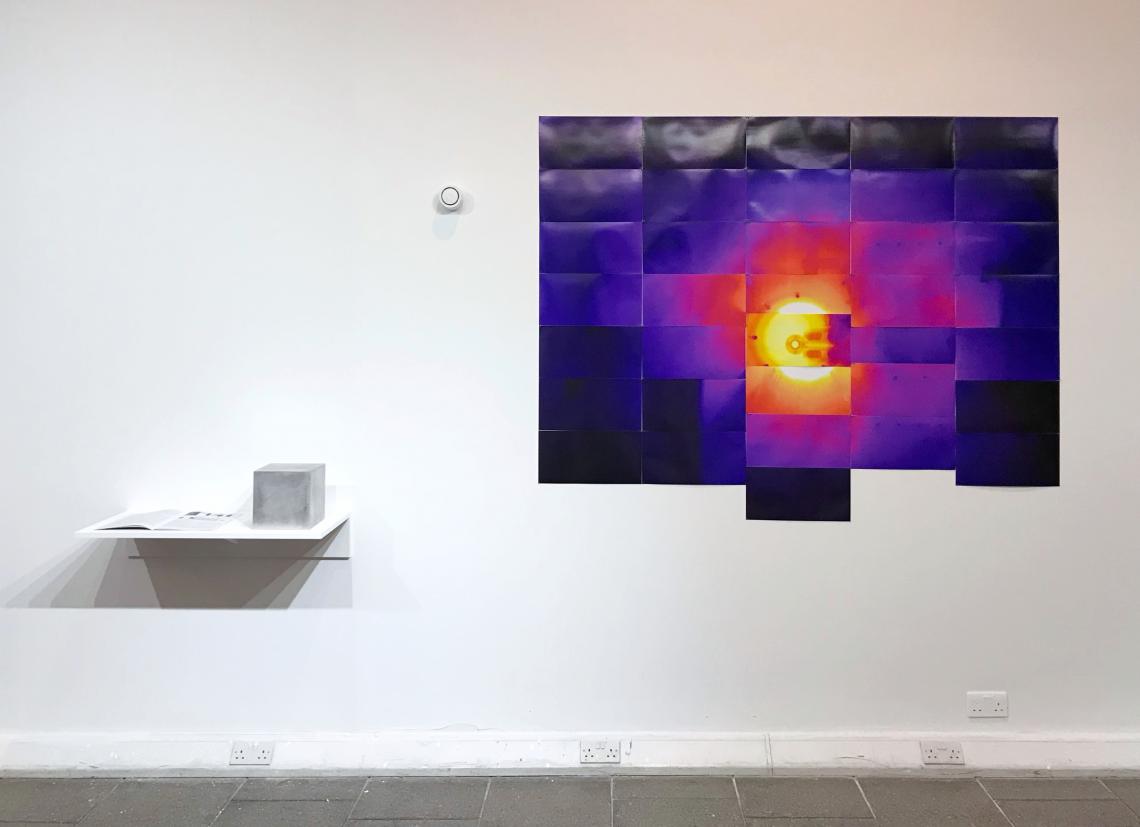
What if we could look at the sun with x-ray vision

Exhibited at the London Design Festival, London College of Communication, September 2018.

What if we could look at the sun with x-ray vision (contact x-ray plates on the Vulcan Target Area West vacuum chamber, 36 separate shots) is a collaborative artwork created with scientists at the Central Laser Facility in Oxfordshire, England. I was invited to be part of their experiment as an artist as well as an active scientific participant, their aim was to demonstrate the effectiveness of laser technology to see through layers of material using x-rays and neutron beams.

During…

David Bohm

text |
December 1st, 2018
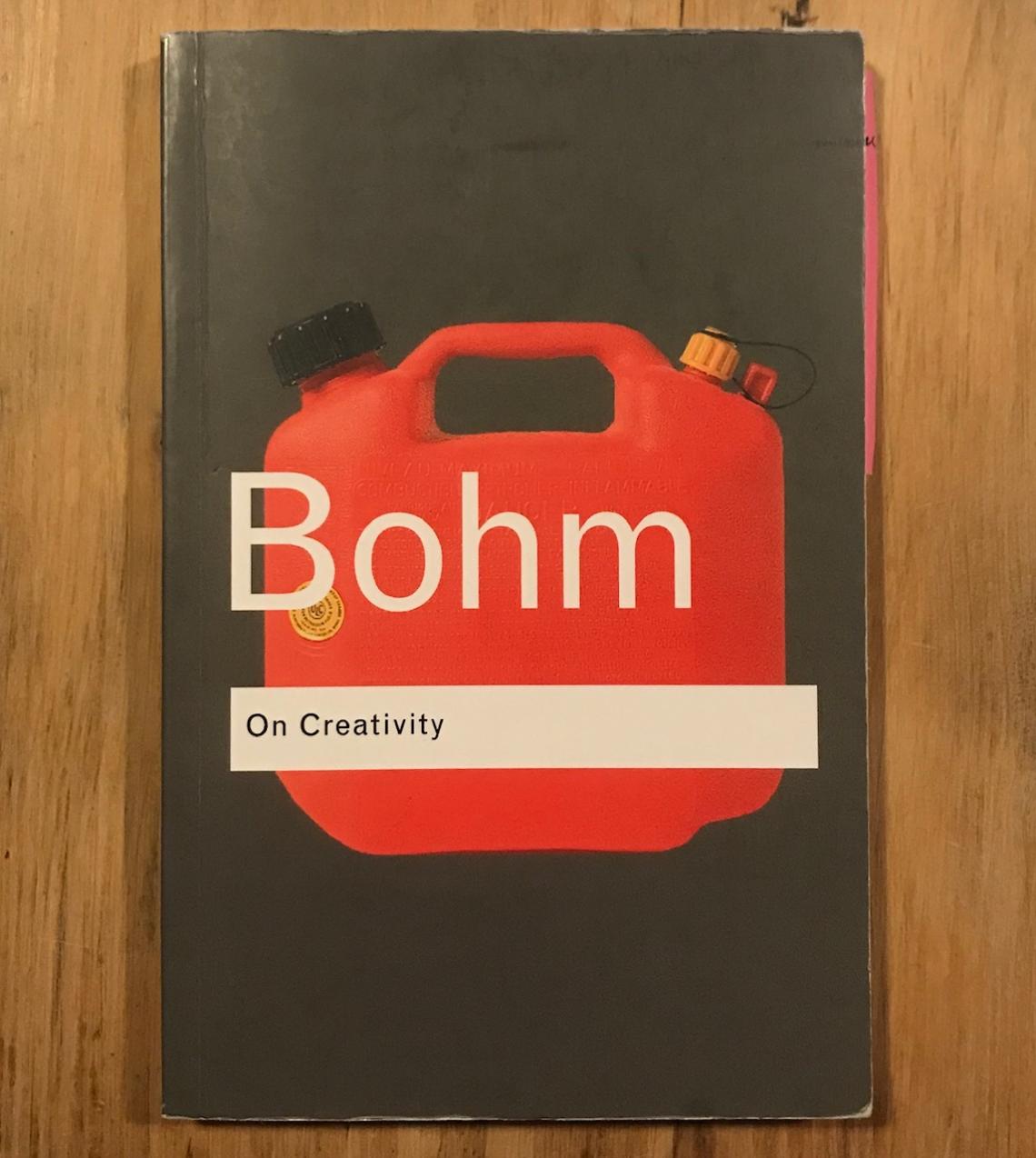
On Creativity, David Bohm

David Bohm asks in his book "On Creativity" why scientists are so deeply interested in their work:

“What he is really seeking is to learn something new that has a certain fundamental kind of significance: a hitherto unknown lawfulness in the order of nature, which exhibits unity in a broad range of phenomena. Thus, he wishes to find in the reality in which he lives a certain oneness and totality, or wholeness, constituting a kind of harmony that is felt to be beautiful. In this respect, the scientist is perhaps not basically different from the artist, the…

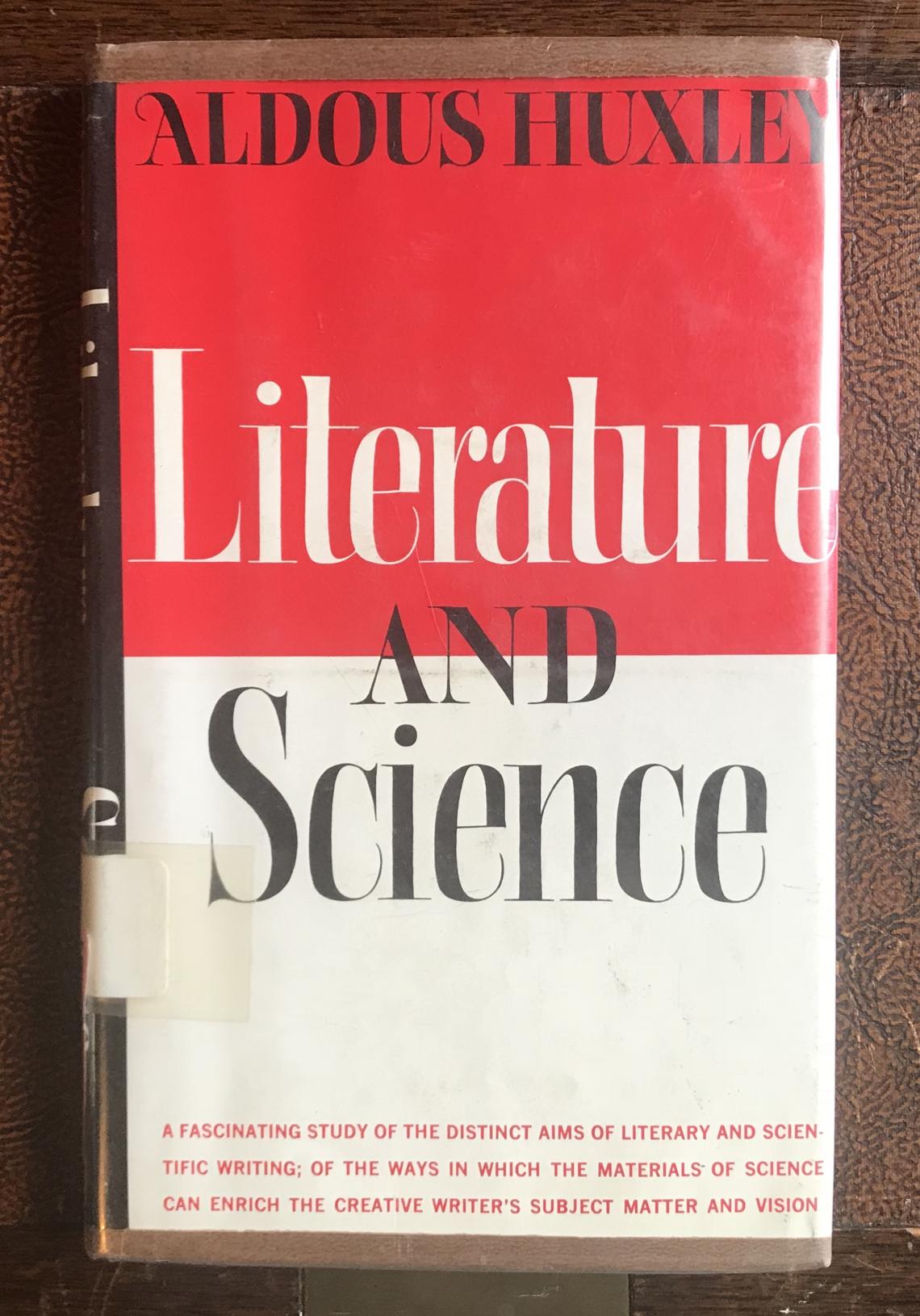
Aldus Huxley, Literature and Science #38

text |
November 30th, 2018

#38

"Thought is crude, matter unimaginably subtle. Words are few and can only be arranged in certain conventionally fixed ways; the counterpoint of unique events is infinitely wide and their succession indefinitely long. That the purified language of science, or even the richer purified language of literature should ever be adequate to the givenness of the world and of our experience is, in the very nature of things, impossible. Cheerfully accepting the fact, let us advance together, men of letters and men of science, further and further into the ever-expanding regions of the…

Proposition 4

text |
November 30th, 2018

Can commonly understood fields of artistic and scientific practice be reduced down to a core sense of curiosity and a desire to communicate.

In order to evaluate this I am working with a group of scientists to create an artwork and a piece of new science. By finding common ground with the field of science and artistic practice I am searching for a more fundamental human need to be curious and be creative.

Subscribe to Science Blog - experiments

Science . Alistair McClymont

An ongoing record of art / science research by Alistair McClymont