science.am

Main navigation

  • text
  • lab
  • About

Science.lab

SCIENCE.LAB is a place where experiments, tests, records of activity are recorded. This ranges from work with the Central Laser Facility to studio based work in support of art/science projects.

Vulcan interaction chamber

lab |
December 12th, 2014
Instagram post
View this post on Instagram

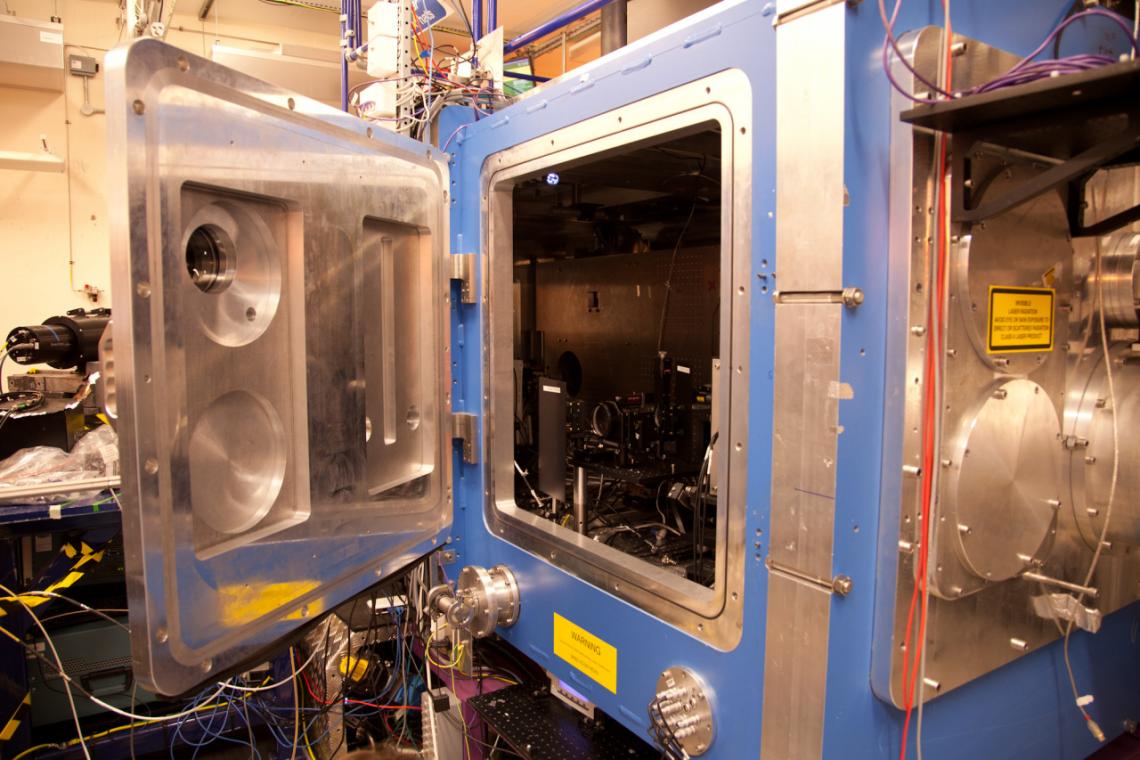
A wider shot of the Vulcan 20m3 interaction chamber. The large circle on the right is a 1 metre diameter mirror (reflects the infra red laser light). Through it you can see a door that the laser enters through. This only opens when the chamber is pumped down to a vacuum as the area beyond it is a 100m3 vacuum chamber containing the compression optics which compress the beam into a short pulse and finally focus it. More here: http://www.stfc.ac.uk/clf/44185.aspx

A post shared by Alistair McClymont (@alistairmcclymont) on Dec 11, 2014 at 4:53pm PST

A wider shot of the Vulcan 20m3 interaction chamber. The large circle on the right is a 1 metre diameter mirror (reflects the infra red laser light). Through it you can see a door that the laser enters through. This only opens when the chamber is pumped down to a vacuum as the area beyond it is a 100m3 vacuum chamber containing the compression optics which compress the beam into a short pulse and finally focus it. More here: http://www.stfc.ac.uk/clf/44185.aspx

Inside the Vulcan laser

lab |
December 12th, 2014
Instagram post
View this post on Instagram

Inside the huge vacuum chamber of Vulcan, one of the most powerful lasers in the world

A post shared by Alistair McClymont (@alistairmcclymont) on Dec 11, 2014 at 4:38pm PST

Inside the huge vacuum chamber of Vulcan, the most intense laser in the world

Scientists are Artists

lab | text |
September 5th, 2014

In the last few months I have followed a team working with the Gemini laser at the CLF. Dr Rajeev Pattathil led the team and kindly allowed me to take part in aspects of the experiment and also set up my own camera equipment in the target area. 

Gemini is a petawatt class laser with 2 beams, allowing very high energy and very short timescale experiments. The team were studying many different aspects of the laser interaction with the targets to better understand a number of properties of plasma. This is an area of high energy physics where things start to behave very strangely.…

Putting GoPro cameras in a vacuum

lab |
June 23rd, 2014

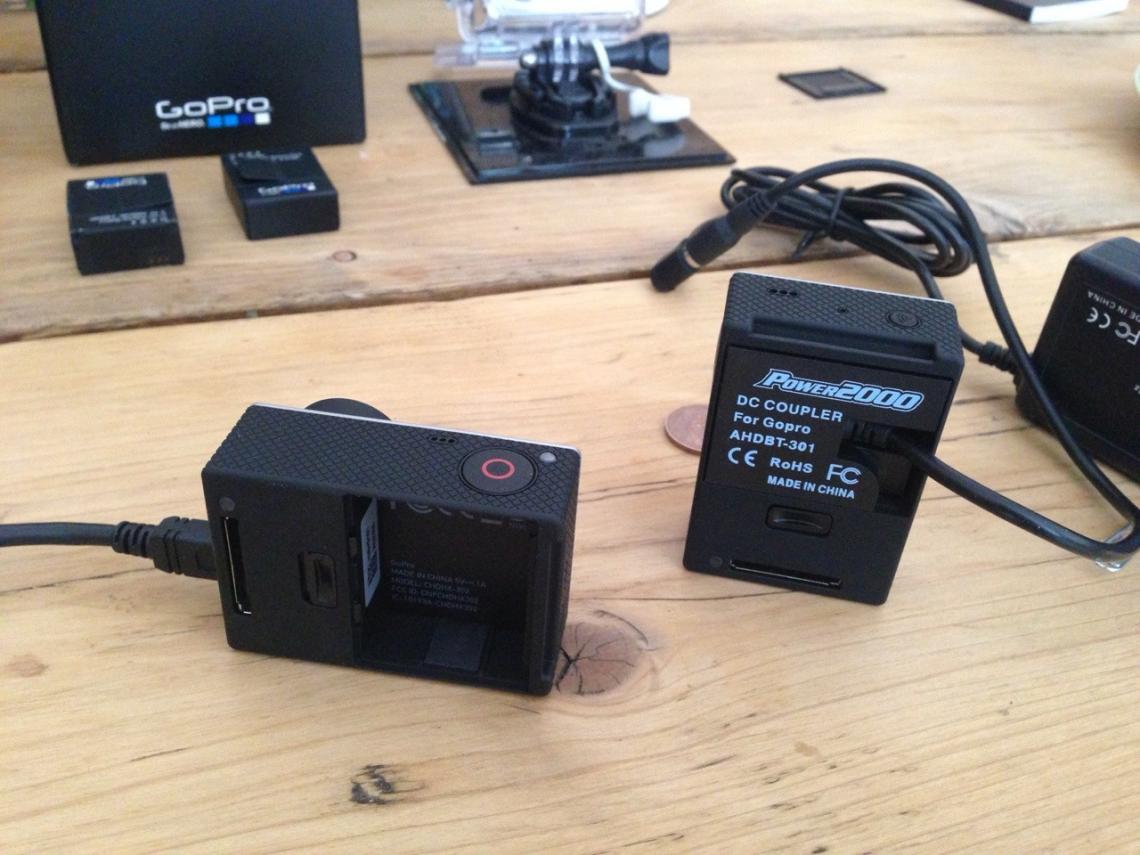
I’m getting ready for a vacuum test tomorrow at the central laser facility. I want to film from within the target chamber. This poses a few problems, one of which is that it is under a very pure vacuum.

The main problem with this is that things overheat in a vacuum, there’s no air to radiate away heat, and camera chips get pretty hot.

The other problem is that GoPro cameras only like to run off a battery. But I’ve just found a couple of ways around this. Firstly I just bought a new GoPro hero 3+ which can run straight off the USB with no battery, my slightly older GoPro 3…

Laser burn mark archival test

lab |
June 21st, 2014

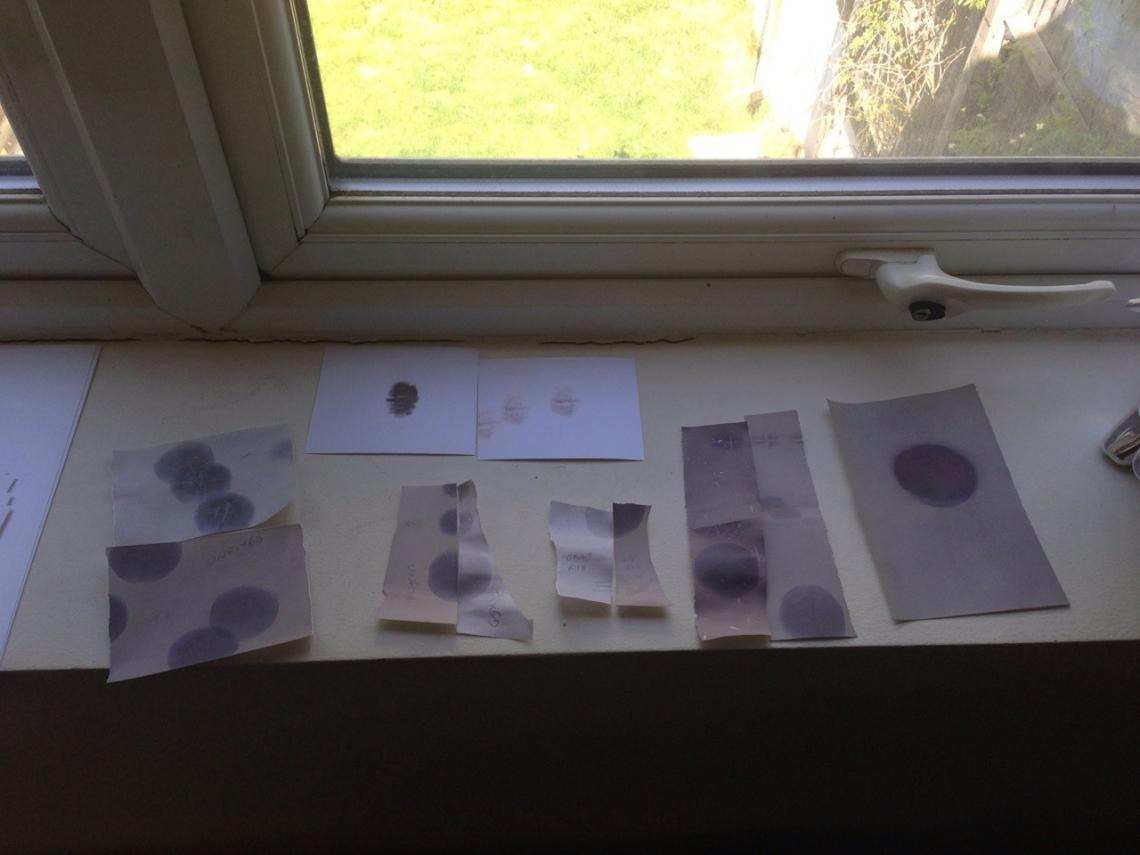
Laser burn mark archival test

The darker paper is a thin, emulsion coated paper made by Kodak which is now discontinued. But the CLF have a lot of it left over and it is very useful to make these tests.

I’ve treated some with photographic chemicals to try and preserve the marks. In this photo they’re on my windowsill where they will get direct sunlight for half the day. This should give them a good test for durability.

The two brighter bits of paper are photographic resin coated black and white paper. These went through a stop and fix bath so should be stable now.…

Laser impact

lab |
June 20th, 2014

You can read more about this here: http://bit.ly/2SwcTSE

Chris Hooker (a scientist at the CLF) was demonstrating the Gemini laser. The comment ‘did it survive’ was in reference to my camera. I’ve got an infra red filter over the lens to try and protect it from the laser (which was infra red). The previous shots, filming without it, shut down my camera and the next time had a big purple ball of light on the side of the viewfinder.

It looks like it sorted itself out though.

Laser Burn

lab |
June 20th, 2014

You can read more about this here:

http://studio.alistairmcclymont.com/post/89377498845/this-is-what-happens-when-you-put-paper-with-an

Chris Hooker (a scientist at the CLF) was demonstrating the Gemini laser. The comment ‘did it survive’ was in reference to my camera. I’ve got an infra red filter over the lens to try and protect it from the laser (which was infra red). The previous shots, filming without it, shut down my camera and the next time had a big purple ball of light on the side of the viewfinder.

It looks like it sorted itself out though

This is what happens when you put paper with an emulsion film in front of a powerful laser.

lab |
June 20th, 2014
Laser burn

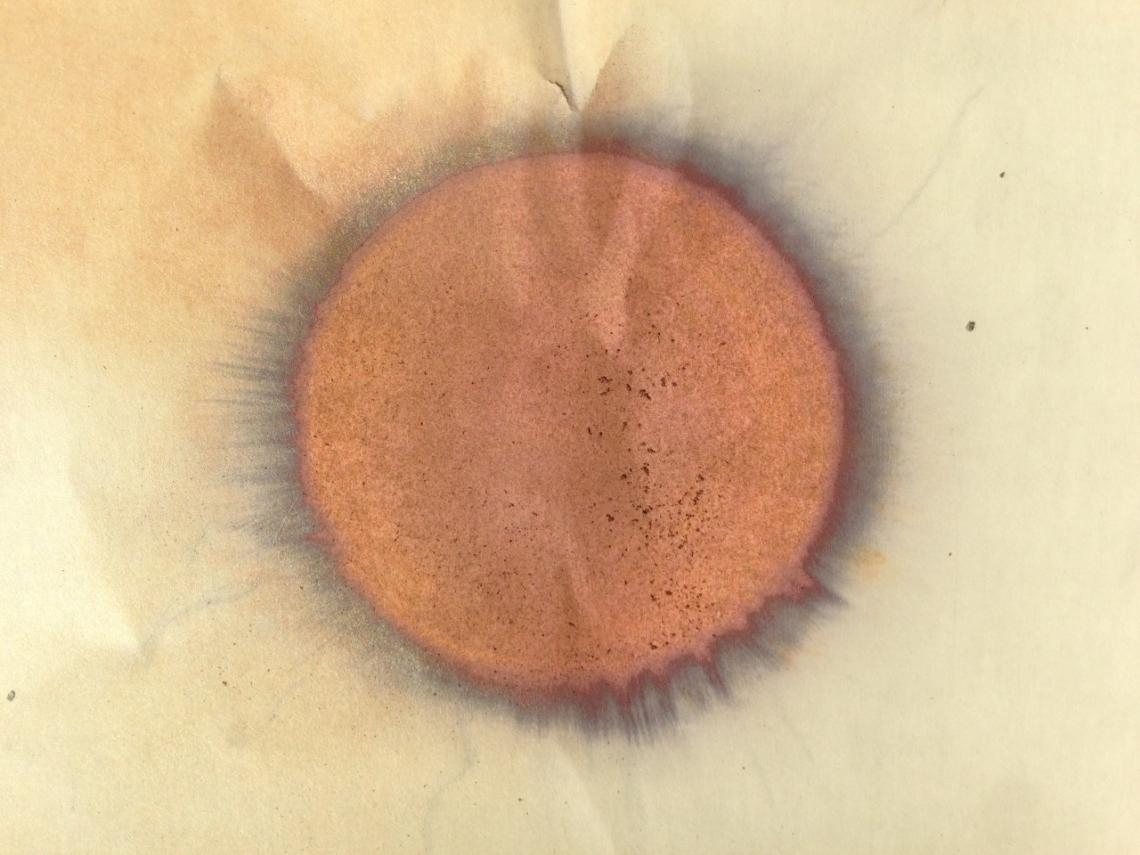
This is what happens when you put paper with an emulsion film in front of a powerful laser.

This image is of a burn mark from a piece of paper put in the Gemini laser at the Central Laser Facility. The burn mark is about 5cm across. Chris Hooker, a scientist at the facility, kindly spent a day with me letting me see what happens when you fire lasers at paper.

This paper is often used to see how clean the laser is - ie if there are hot or cold spots, diffraction, poor focusing etc. This infra-red laser  is not at the final stage of the system, it gathers energy as it passes…
Gemini laser burns

lab |
May 2nd, 2014

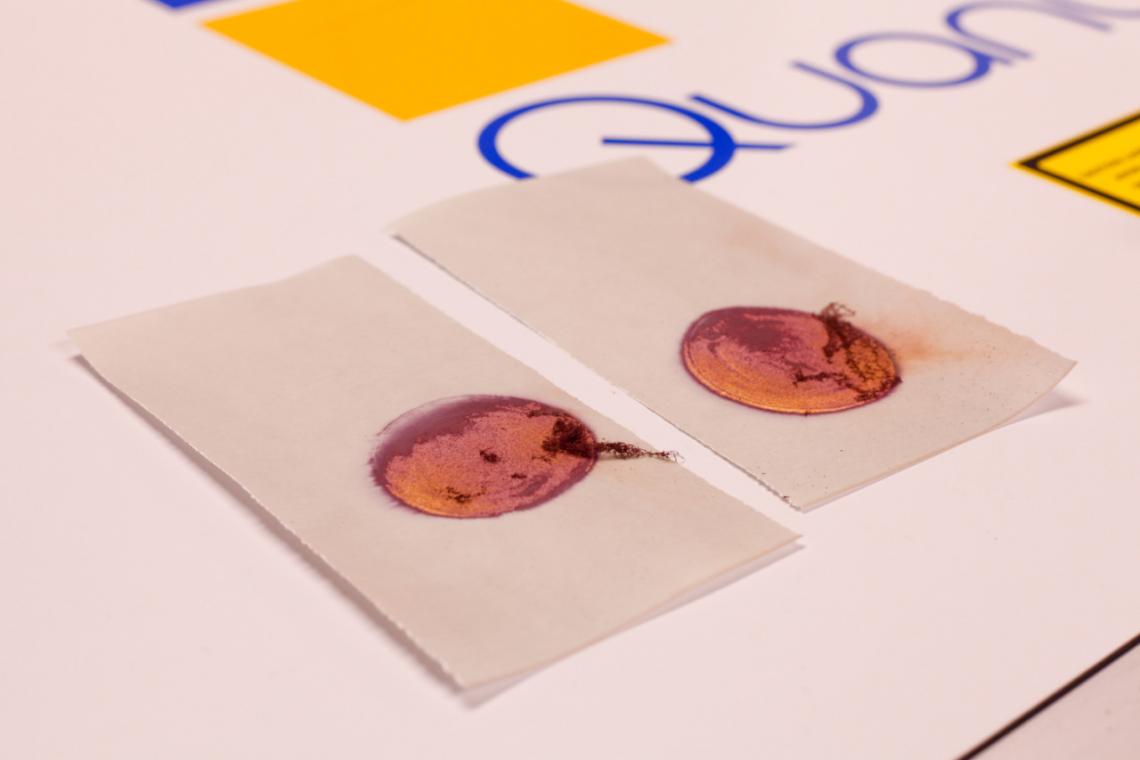
Burn marks in paper from a laser within the Gemini laser. By putting a sheet of paper in the path of one of the lasers that amplify and make up the Gemini laser you get a burnt mark and a very loud bang. The laser fires every 30 seconds for a very brief period of time. You can see the variation of power in the laser, probably caused by alignment issues (it was mid way through an alignment process at this point)

Gemini target chamber and laser alignment

lab |
April 23rd, 2014

The Gemini target chamber and laser alignment within the chamber.

The chamber itself is a very robust steel box, easily big enough to climb inside. During firing the air is pumped out using very powerful vacuum pumps which produce a very high level of vacuum, i.e. there are very few air molecules left inside. The laser you can see in the other photo is used for alignment and is not high power, this is necessary as you can’t be in the room when the full power, infra red laser is firing.

The room itself is very impressive, it has very thick concrete walls and lead shielding,…

Science . Alistair McClymont

An ongoing record of art / science research by Alistair McClymont